
The Digital Confidence Trap: Why the Tech-Savvy Generation Falls for Scams
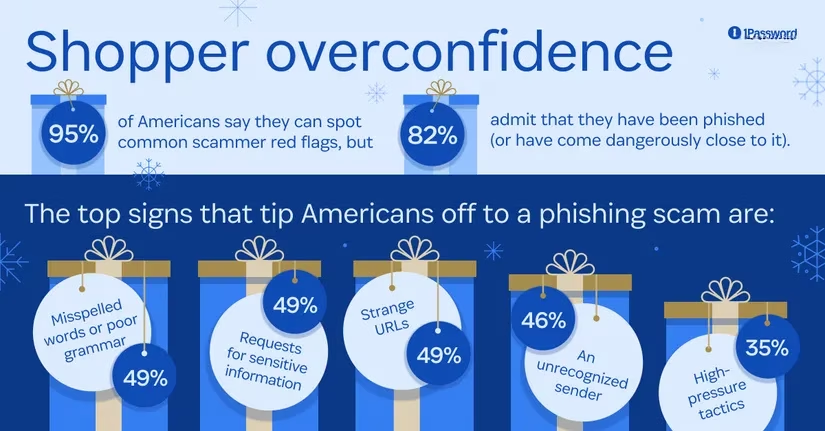
As 2026 unfolds, the holiday shopping season transforms the digital landscape into a bustling, glittering marketplace. The air hums with promise and peril in equal measure. Once upon a time, scams were clumsy, easy to spot like a wrong note in a familiar song. But now, they've learned to sing in perfect pitch. According to the insightful 2025 Phishing Report from 1Password, a startling 82% of Americans have danced dangerously close to the phishing hook—or been snared by it completely. It’s a number that whispers a sobering truth: in the modern age, staying secure online is less about building walls and more about navigating a constantly shifting maze.
The report reveals a curious, almost poetic, inversion. The generations who grew up digital natives—Gen Z (70% phished) and Millennials (67%)—are tumbling into traps far more often than their elders in Gen X (57%) or the Boomers (46%). It’s a real head-scratcher, isn't it? These are the folks who speak the language of apps and privacy settings as a mother tongue. Their digital confidence, it seems, has become a double-edged sword. They swim in deeper waters—social media DMs, slick influencer posts, fake ads woven seamlessly into their feeds, job offers that look oh-so-legit. Boomers, by steering clear of certain digital playgrounds, ironically avoid some of the most cunning predators. The exposure level is just... wild.
The New Face of Deception
Gone are the days of spotting a scam by its typos. Now, every trickster has a powerful AI co-pilot, crafting messages with the polish of a corporate newsletter and the personal touch of a close friend. The FBI's 2024 warning about AI-driven phishing spreading at "breakneck volume" has proven prophetic. Our gut feelings, trained on clumsier cons, are left floundering. The most insidious attacks now come cloaked in trust, delivered from the hijacked accounts of friends and family. You'd click a link from your best friend, right? So would everyone. Hackers know this, turning our circles of trust into their hunting grounds.
The Overconfidence Paradox
Here’s the kicker: 95% of people surveyed believe they can spot common scammer red flags. But with 82% actually getting caught? The math doesn’t add up. This glaring gap points to a dangerous overconfidence. We think we're savvy, but the threats have evolved past our old defenses. It’s like knowing how to spot a cardboard castle but not recognizing a fortress made of glass.
The Password Paralysis
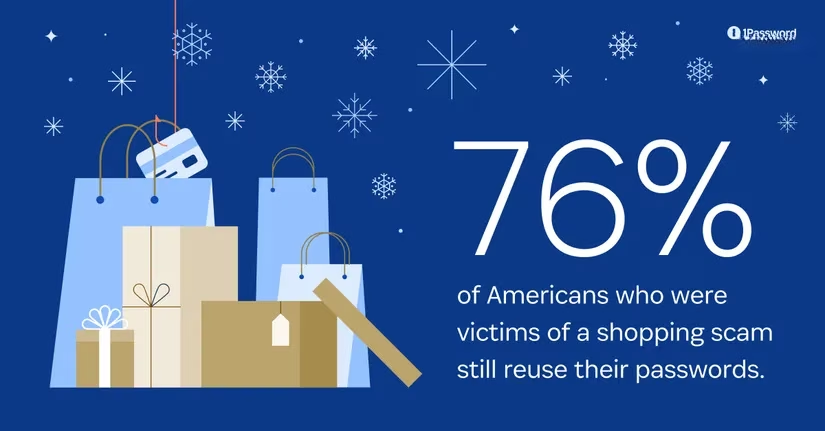
Perhaps the most haunting statistic is one of inaction. A staggering 76% of Americans who’ve been victimized by a phishing scam... still use the same compromised password. Let that sink in for a moment. Changing a breached password is Security 101, the digital equivalent of changing your locks after a burglary. In 2026, with a wealth of brilliant, free password managers like Bitwarden available, and even basic browser tools featuring breach alerts, this inertia is baffling. It screams that knowledge alone is powerless without action.
A Poetic Call to Mindful Defense
So, what's the takeaway as we sail into another frenzied season of online deals? Being "good with tech" is no longer enough. The digital world demands a different kind of literacy:
-
Embrace Healthy Skepticism: Question urgency. Scammers love to create panic. Slow down and breathe.
-
Verify, Don't Trust: That DM from a friend about a "can't-miss deal"? Give them a quick call or text on a different platform.
-
Tool Up: Use a dedicated password manager. It’s not just a vault; it’s a vigilant guardian that can generate and store unique, complex passwords for every account, making reuse a thing of the past.
-
Accept the Evolution: Recognize that phishing is a living, learning threat. Staying safe requires a willingness to keep learning alongside it.
The story told by the data is not one of generational failure, but of a shared human vulnerability in a landscape engineered by machines. The youthful digital fluency of Gen Z and Millennials meets its match in AI-crafted deception, while the cautious habits of older generations offer unexpected shelter. The path forward is woven from humility, mindful pause, and the smart use of tools designed for this new era. In the end, the best defense might be to remember that in the vast, interconnected web, even the most confident spider can find itself caught.