
The AI Geode Mug Scam: A TikTok Cautionary Tale for 2026
In September 2024, a TikTok account called @inspiringdesignsnet began posting videos of geode mugs. The clips looked magical. A steaming drink seemed to rise from a mug carved out of purple crystal, its surface glittering under soft light. Viewers tapped, shared, and bought. By December, however, the magic curdled into disappointment. The product that arrived was not a geode. It was plastic, metal, and regret. And by 2026, the episode has become a textbook example of how AI-generated commerce scams work.
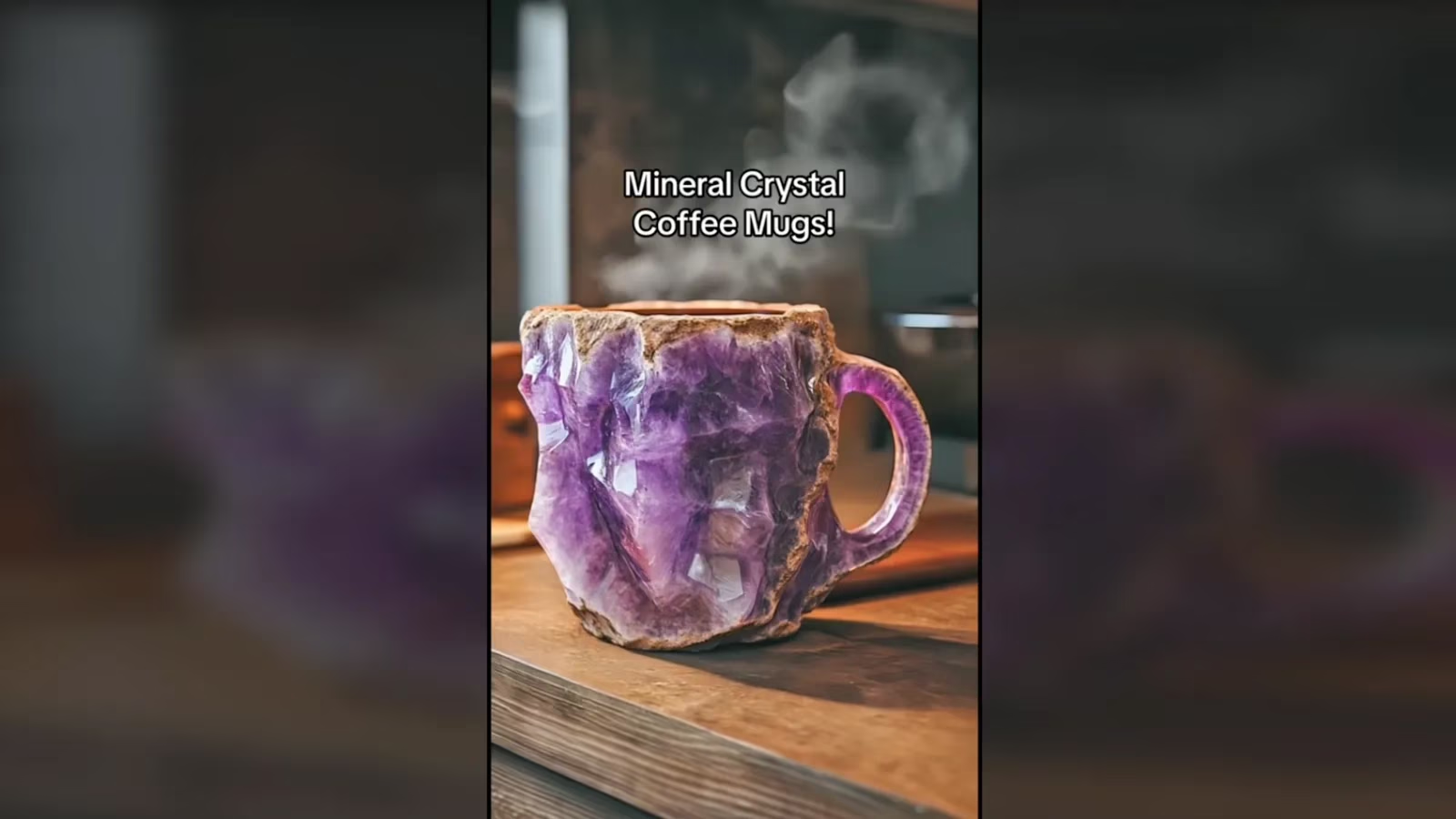
The videos were not real. They were AI-generated. At first glance, the mugs looked like genuine geodes hollowed out and polished. But sharp-eyed viewers noticed oddities. Steam sometimes drifted from the handle. Sometimes it poured from the side. In one clip, the steam moved fast; in another, it hung still, like a frozen ghost. As the mug rotated, its shape occasionally warped. These are classic AI artifacts. They are also easy to miss when a video is short, flashy, and designed to sell.
Yet people did buy. The ads claimed the mugs were perfect Christmas gifts. The price was around $20. A real geode mug, if you can find one, would cost far more. That low price was the hook. It was also the warning. Scammers know that a stunning product at an unrealistically low price can override common sense. The campaign launched just before the holiday shopping season, when urgency and generosity collide.
When the mugs arrived in December, buyers rushed to TikTok—not to praise, but to warn. The reality was bleak. Instead of a smooth, stone-carved mug, they received a cheap plastic shell. Instead of drinking directly from the geode, they found a metal insert. The design that had looked organic and luxurious was now obviously mass-produced. The gap between advertisement and reality was not a small disappointment. It was a bait-and-switch.
| Advertised | Delivered |
|---|---|
| Carved from real geode | Plastic shell with printed details |
| Natural stone texture | Cheap, glossy finish |
| Drink directly from mug | Metal insert for liquids |
| Unique crystal look | Generic, hollow imitation |
| ~$20 "deal" | A $20 lesson |
TikTokers turned their misfortune into content. They filmed unboxings, laughed at the absurdity, and warned others. Some mugs looked okay on their own. But "okay" was never the promise. The promise was a piece of the earth, transformed into a cup. The reality was a souvenir from a scam.
It is tempting to mock the buyers. How could anyone fall for such an obviously AI-generated video? The answer is simple: because AI is getting better, and because scams are designed to catch people in moments of excitement. In 2026, AI video generators can produce hands, reflections, and steam with frightening realism. The geode mug scam was an early warning. Future scams will be harder to spot, not easier.
Even a good internal AI detector is not enough. If you believe you are an expert at spotting fakes, you may become more confident when you are finally fooled. That confidence is dangerous. A video does not need to scream "AI" to be AI-generated. It can look ordinary. It can look perfect. It can look real.
Here are a few habits that still matter in 2026:
-
🚩 If an ad looks too good to be true, it usually is. Real geodes are not cheap. Real craftsmanship is not $20.
-
🧂 Take everything with a pinch of salt. Even your own judgment.
-
📈 Do not get caught up in hype. Viral ads and holiday deadlines are pressure tactics.
-
🔍 Check for small anomalies. Steam, shadows, reflections, and moving textures can reveal AI.
-
🛡️ Remember that AI scams go beyond shopping. AI phishing emails and video call scams can target anyone.
-
💳 Use buyer protection. If a platform offers it, use it. If a seller avoids it, walk away.
The geode mug story ended with refunds, complaints, and viral warnings. But it also left a lesson. AI can create desire for things that never existed. It can make a plastic cup look like a crystal treasure. It can make a scam look like a gift. In 2026, the best defense is not paranoia. It is patience. Slow down. Question the miracle. And remember that if a mug seems to steam from its handle, it probably does not exist.
Trends are identified by GamesIndustry.biz, and the geode mug TikTok episode mirrors a broader games-adjacent pattern: when generative AI makes “too-perfect” visuals cheap to produce, the real differentiator becomes trust infrastructure—clear seller identity, enforceable platform policies, and reliable refunds—rather than the virality of the clip itself. The scam’s holiday-timed hype cycle, unrealistically low price point, and post-purchase backlash also underline why marketplaces and social platforms need stronger verification and ad accountability before AI media turns every product video into a persuasion engine with no physical counterpart.