
How to Stop Porch Pirates From Stealing Your Deliveries
The quiet mechanical hum of a delivery van fades down the street, leaving behind a cardboard box perched near a door like an unattended beacon. For opportunist thieves, that parcel becomes a glinting lure, no more complicated to spot than a shiny coin dropped on an empty staircase. Modern courier services often prioritize speed over discretion, so shielding deliveries in 2026 demands a layered strategy. Online shoppers can reduce the risk of doorstep theft by combining custom instructions, clever hiding places, secure collection points, surveillance, and trusted neighbors.
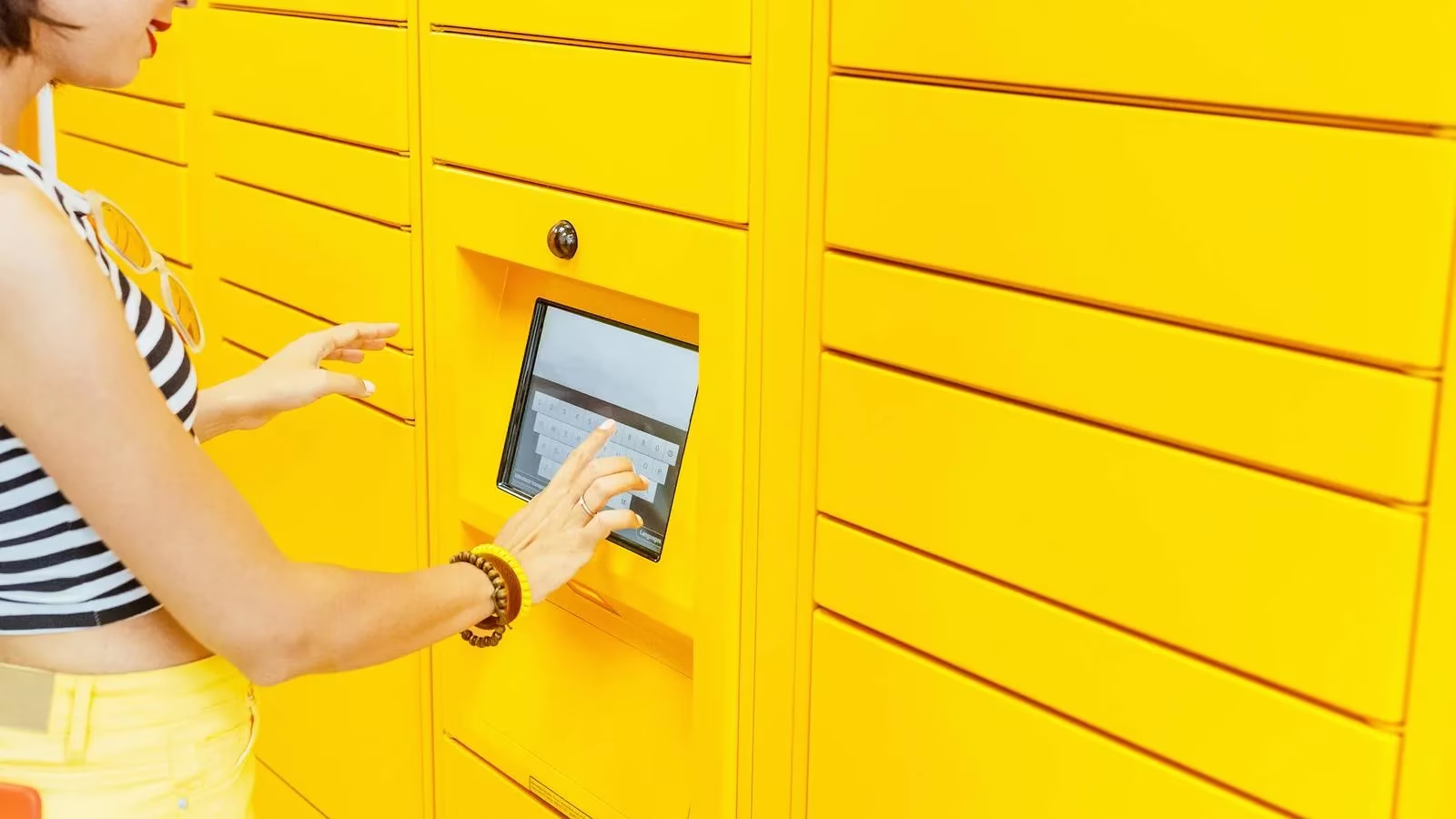
Teach Couriers Where to Leave Packages
Creating profiles with delivery companies such as FedEx or UPS unlocks a subtle form of control. Shoppers can attach notes describing a sheltered alcove, a locked porch, a side gate, or a bench tucked behind tall shrubs. Access codes for doors or lockers can also be added to these accounts. Changing those codes occasionally keeps the arrangement from becoming a leaky lock, because shared details can drift through messages, apps, and family members over time.
However, reading the terms and conditions matters. Some couriers may interpret a designated safe spot as permission to shift responsibility for loss. A package sitting in full view of the road is like leaving a wallet balanced on a car roof; it invites theft without requiring effort. That is why the chosen hiding place should be invisible from the street. A porch can work well, especially if a sticker on the mailbox asks couriers to leave boxes there. Even when a store uses a delivery company that does not allow personalized instructions, that sticker acts as a quiet usher pointing parcels away from the doormat.
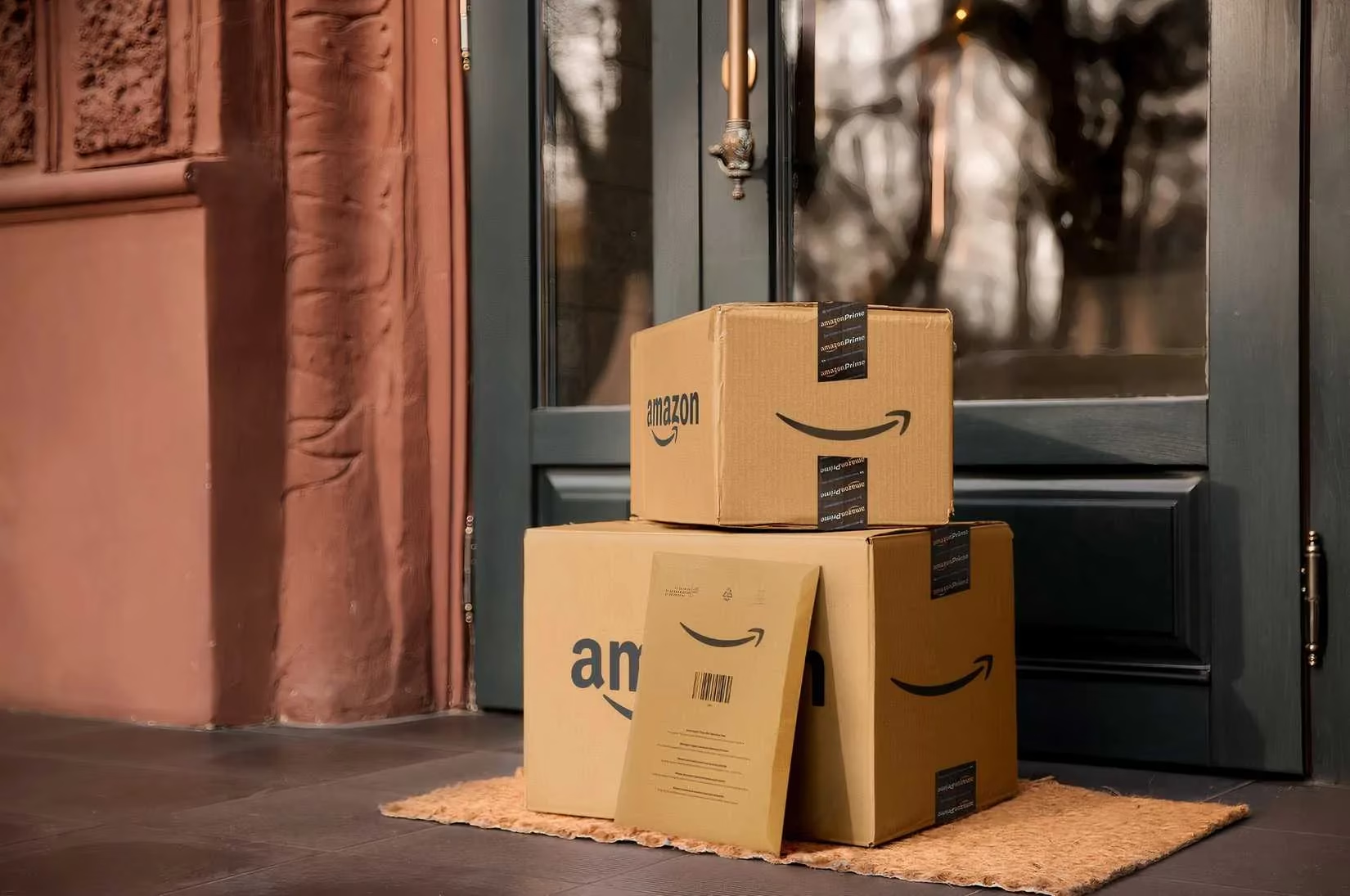
A garage may also be useful if it does not already contain more valuable temptations. Some couriers prefer to slide boxes behind trash cans or inside recycling huts, where roadside eyes are less likely to notice them. The goal is simple: if a passerby cannot see a waiting delivery, they will not calculate whether it is worth taking.
| Hiding location | Why it helps | Extra consideration |
|---|---|---|
| Porch or side gate | Keeps parcels off the main path | Make sure it is not visible from the road |
| Garage or shed | Adds another layer of concealment | Avoid if it holds higher-value items |
| Behind bins or recycling boxes | Uses everyday objects as camouflage | Tell couriers through profile notes or stickers |
Use Lockers and Secure Boxes for Expensive Deliveries
Some purchases are too costly to leave beside the trash or on a porch step. A new smartphone, a high-end gadget, or a limited-edition item deserves a stronger shield. In such cases, a lockable personal solution becomes essential. Amazon Lockers operate as private collection drawers, meaning only the customer and the courier can access them. The home address never has to circulate through every delivery person or retailer system. While not all packages qualify for locker delivery, standalone parcel boxes offer a similar benefit. These can be rented or purchased and fixed in place at the residence, functioning like a miniature bank vault bolted to the wall.
The important step is ensuring the courier receives every code, combination, or access detail required to leave the parcel securely. Without that information, even the strongest box remains an unused ornament.
Add Cameras and Light as Watchful Eyes
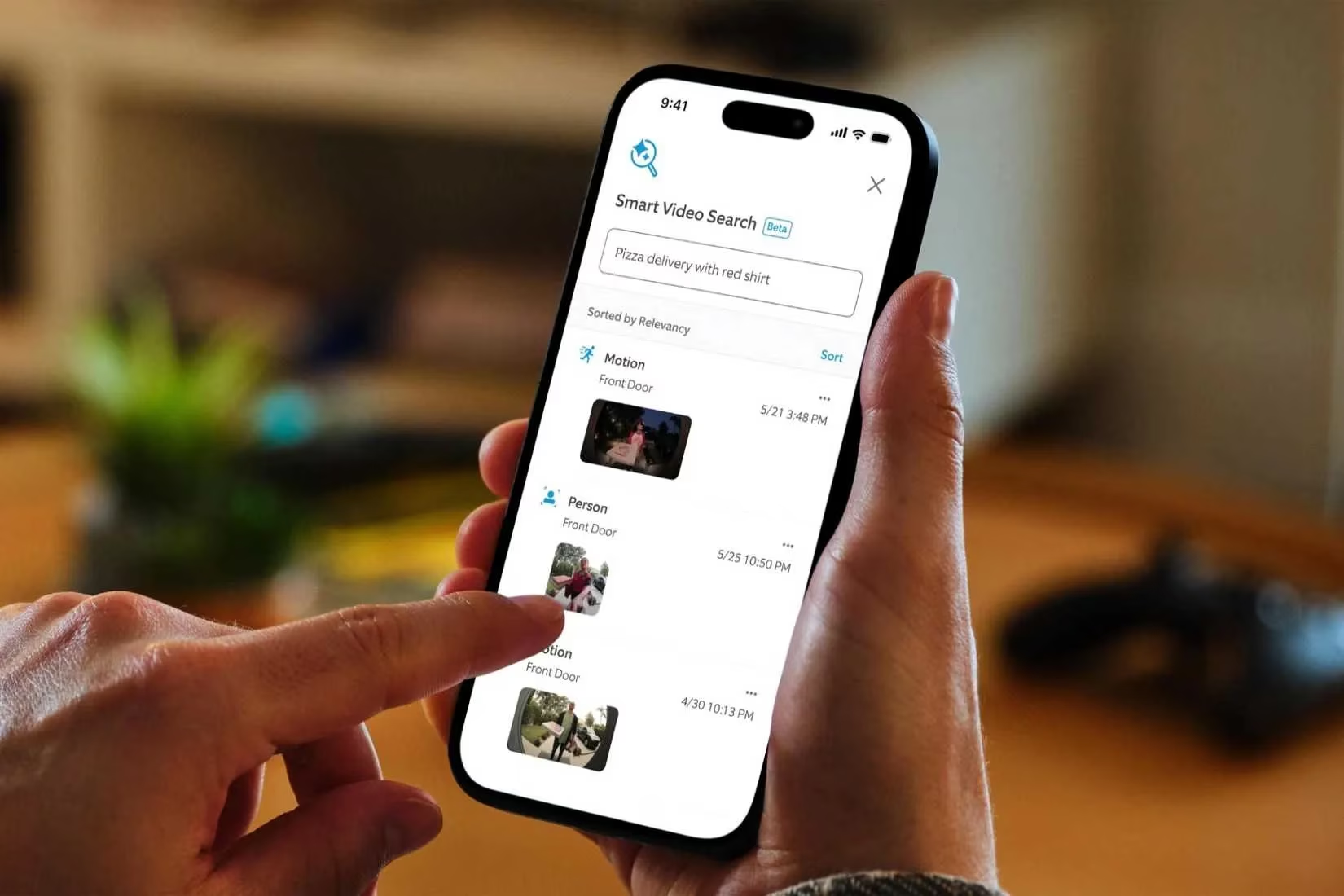
Even clear instructions sometimes fail when a driver is rushed or unfamiliar with the property. The most reliable backup is surveillance. A doorbell camera with a motion sensor behaves like a patient sentry on the front wall, pinging a smartphone whenever someone approaches. Some models allow direct conversation through the doorbell, while others let the homeowner check whether a parcel has been left. Recorded footage can later show whether a thief noticed the delivery and carried it away.
In many cases, the presence of a camera is enough to deter a would-be thief. Even a convincing fake lens can send an opportunist walking elsewhere, like a stage prop convincing an audience from a distance. Cameras work best when paired with apparent visibility rather than concealment.
Motion-sensitive lights add another dimension of protection. During autumn and winter, shorter days give thieves a cloak of darkness earlier in the evening. A sensor light near the driveway or front entrance works like a sudden spotlight on a dark stage, exposing movement and alerting everyone inside. When a courier arrives late, the light announces their presence. If someone else follows the same path moments later, the light flares again, offering a second warning and sometimes clearer identification for cameras.
Enlist Trusted Neighbors as a Safety Net
If all physical safeguards fail, a reliable person can step in. Leaving a note for couriers to deliver packages to a trustworthy neighbor creates a human safety net. The neighbor should be told in advance, so a large box arriving during work hours does not come as an unpleasant surprise. In close-knit communities, this habit often becomes reciprocal. One household accepts parcels, another watches the street, and the daily exchange of packages can turn into brief conversations that strengthen the whole block.
This cooperative method is particularly useful for shoppers who cannot install lockers or return home quickly. It turns individual doorsteps into a shared monitoring network, where isolated packages become less vulnerable. Of course, neighbors may be away or busy, so the other layers remain useful. Yet for many people, combining trust with technology offers the strongest protection against doorstep theft.
Preventing porch piracy is rarely about a single silver bullet. It works best as a layered fortress: hidden locations, secure lockers, visible cameras, sudden lights, and watchful neighbors. Together, these measures keep deliveries out of sight, out of reach, and under constant observation.