
How to Shop Temu Without Getting Scammed: A Cheeky Survival Guide
Temu remains the internet's gloriously chaotic bargain bin in 2026: a place where a $3 solar-powered garden gnome and a questionable “Stanley-style” tumbler can both end up in the same cart by midnight. Plenty of shoppers have horror stories, but one cautious buyer has somehow placed nearly ten orders without getting burned. The secret isn't luck—it's a slightly paranoid obsession with reviews, vendor stalking, and payment hygiene.
1. Read the Reviews (Yes, Even the Weird Ones)
The first rule of Temu club is painfully obvious: check customer reviews. Vendors are notorious for dressing up cheap junk in glossy, high-res photos and poetic product descriptions. Add Temu's almost-too-good prices, and it's easy to get swept up. A wise shopper doesn't just glance at the star rating; they hunt for detailed, authentic-sounding reviews. Even better, they prioritize reviews with actual photos and videos, because that's the closest thing to seeing the item in person before it shows up in a plastic bag.

If there are a few bad apples in the review section, it's often better to find another vendor selling the same item—because on Temu, five other sellers probably have the exact same sunset lamp.

2. Filter Like a Pro
One handy trick is filtering by customer reviews. Search for the item, tap Filters, scroll to Customer Reviews, and select “4 stars and up.” It's not a magic shield, though. A product with only a handful of glowing reviews can still sail through. The savvy shopper reads between the lines: if a reviewer has posted the same three words on hundreds of items, that's a giant red flag waving in the wind.

3. Stalk the Vendor, Not Just the Product
On Temu, the product listing is only half the story. The vendor behind it can make or break the deal. When someone clicks a product, they'll see a “Sold by [vendor name]” tag. Clicking it opens a seller page full of clues: how long they've been around, how many followers they have, how many items they've sold, and—most importantly—their reviews. One smart shopper shortlisted several Stanley-style tumblers with glowing customer reviews, then let the vendors duke it out.

A vendor's seller page often reveals whether a brand is selling directly on Temu. If the listing says “Direct from [brand name],” it's usually a better bet than a random third-party reseller. In one case, the buyer chose a seller who had joined later and sold fewer items—because it was the actual brand, and that felt like a fair trade-off.

One more catch: high sales numbers don't automatically mean quality. Some vendors let their standards slip once they get popular. That's why checking recent reviews matters. A suspiciously long streak of over-positive reviews that all mention the same feature? That could be fake-review territory.
4. New Sellers: Proceed With Caution
Temu often shows “Seller established X years ago” below the star rating. A new seller isn't always a villain, but if their products have no reviews or reviews that seem too good to be true, it might be wise to back away slowly. It's the old “if it looks like a duck and quacks like a duck” situation—except here the duck might be a dropshipper selling a knockoff air fryer.

5. Pay Like a Secret Agent
The scariest Temu stories aren't about broken phone cases; they're about unauthorized card charges. Some Reddit threads claim fraudulent charges began only after placing a Temu order, with a few unlucky souls reportedly losing nearly $900. Yikes. The safest move is to use a disposable card, like a prepaid Visa or a virtual card from a service such as Privacy.com. These aren't linked directly to a bank account, have spending limits, and expire quickly.
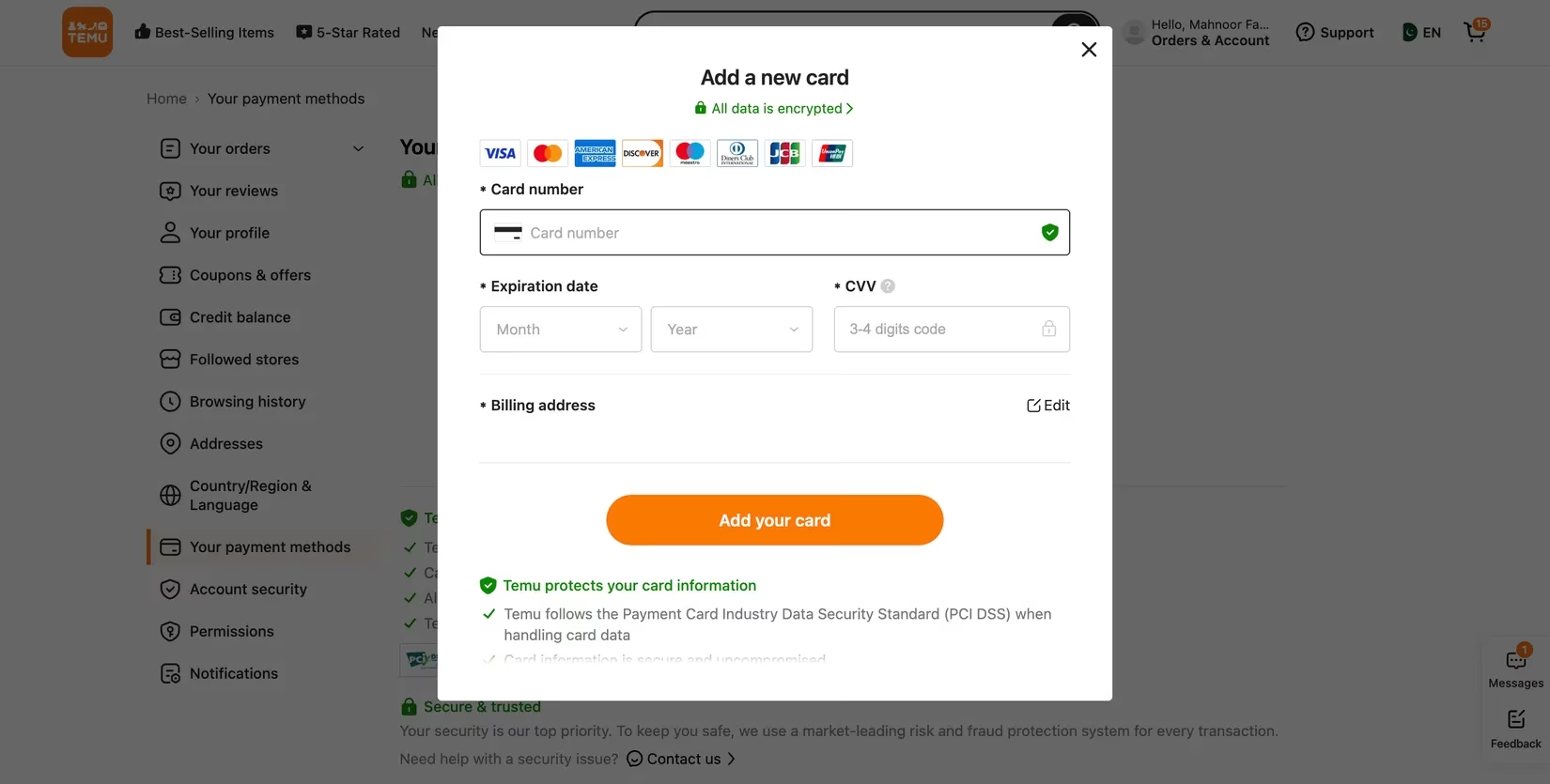
If a disposable card isn't an option, the next best rule is to remove the credit or debit card immediately after ordering—not five minutes later, not after checking email, but the very second the order goes through. Several people have reported duplicate charges, and Temu's “24/7” customer service wasn't exactly rolling out the red carpet. In some cases, neither the bank nor Temu would help, and the money stayed gone. It's a harsh reminder that “better safe than sorry” exists for a reason.
Final Thoughts
Temu is full of deals, but also full of traps that would make a raccoon blush. The good news is that most scams can be dodged with a few habits: read reviews with a skeptical eye, check the vendor, filter ruthlessly, and treat payment like a spy mission. As one cautious shopper admits, they have an order on the way right now—and yes, they may have just jinxed it by writing this. But so far, the streak stands. 🛒👀