
Cheap Smart Bulbs: Hidden Security Risks Behind the Bargain
There's something undeniably tempting about seeing a $6 price tag on a smart bulb. For many, it feels like a low-risk, high-reward purchase—a chance to experience the modern magic of voice-controlled lighting without emptying a wallet. But let's face it: those alluring little bulbs whisper promises of convenience while quietly hiding a much darker story. They may save a few bucks upfront, yet they could end up costing far more than any premium alternative in ways most people never see coming.
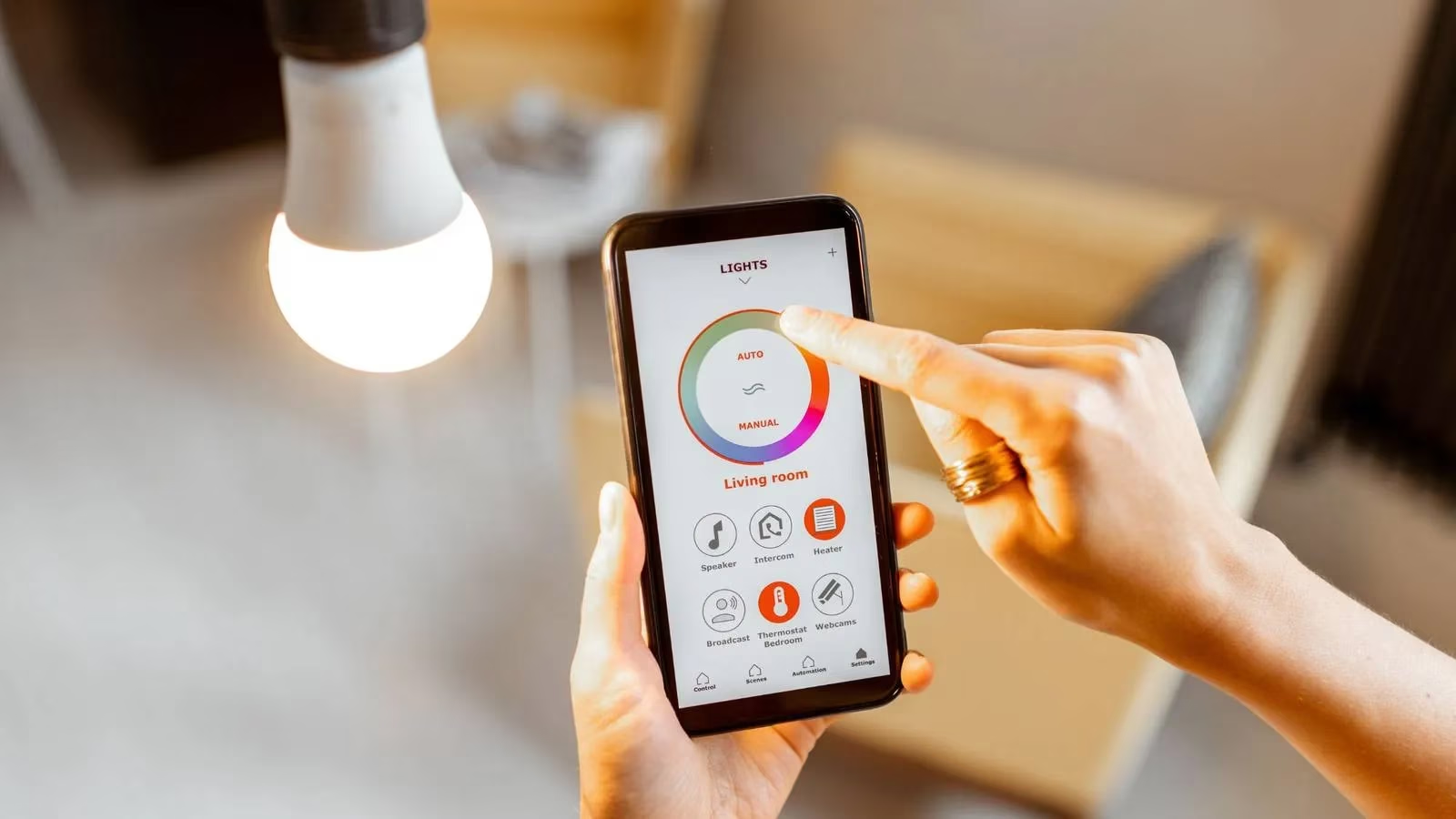
The appeal goes beyond the price tag, though. These bulbs are marketed as incredibly easy to set up, making them perfect for newcomers to home automation. Screw them in, connect to an app, and voilà—mornings start with a gentle sunrise simulation, and evenings glow with cozy amber moods. The simplicity is part of the charm, especially for those intimidated by hubs or complicated tech ecosystems. Even at budget prices, these bulbs promise impressive features: dimming for movie nights, vibrant hues for parties, and energy efficiency that soothes electricity bills. It's a no-brainer, right? You get the fun of smart lighting without spending a fortune. But here's the kicker: when you buy a cheap smart bulb, the last thing on your mind is security—after all, it's just a lightbulb, isn't it?
The Security Nightmare Hiding in Plain Sight
When you screw in a cheap smart bulb and connect it to Wi-Fi, you're not just adding a light source to your network—you're potentially adding a backdoor. Unlike premium brands that prioritize regular software updates and robust encryption, budget-friendly bulbs often rely on low-cost, off-the-shelf technology with vulnerable firmware or weak security protocols. If a hacker exploits these weaknesses, they could slip into your home network through the bulb itself, gaining access to everything from laptops to smart locks. This isn't hypothetical paranoia. A research team found vulnerabilities in TP-Link's Tapo smart bulbs that allowed attackers to extract login credentials and breach a user's Wi-Fi network. The threat has since been patched, but it proves how a seemingly innocent device can become a gateway for cyberattacks.
Another hidden risk comes from the widespread use of technology supplied by companies like Tuya Inc., which powers millions of budget-smart devices globally. Tuya is bound by China's Data Security Law, compelling the company to provide user data to the government upon request. While Tuya asserts that data is stored locally and complies with global privacy regulations like GDPR, cybersecurity experts warn that the potential for data exposure or misuse cannot be dismissed. In 2023, Avast reported a 33% rise in IoT attacks, with poorly secured gadgets like smart bulbs often serving as the weak link in home networks. Remember the Mirai botnet? That massive 2016 DDoS attack used vulnerable connected devices—including smart bulbs—to create a network of zombies. Cheap bulbs are frequently shipped with outdated firmware or inadequate encryption, making them easy prey for such botnets.
Striking the Right Balance Between Cost and Quality
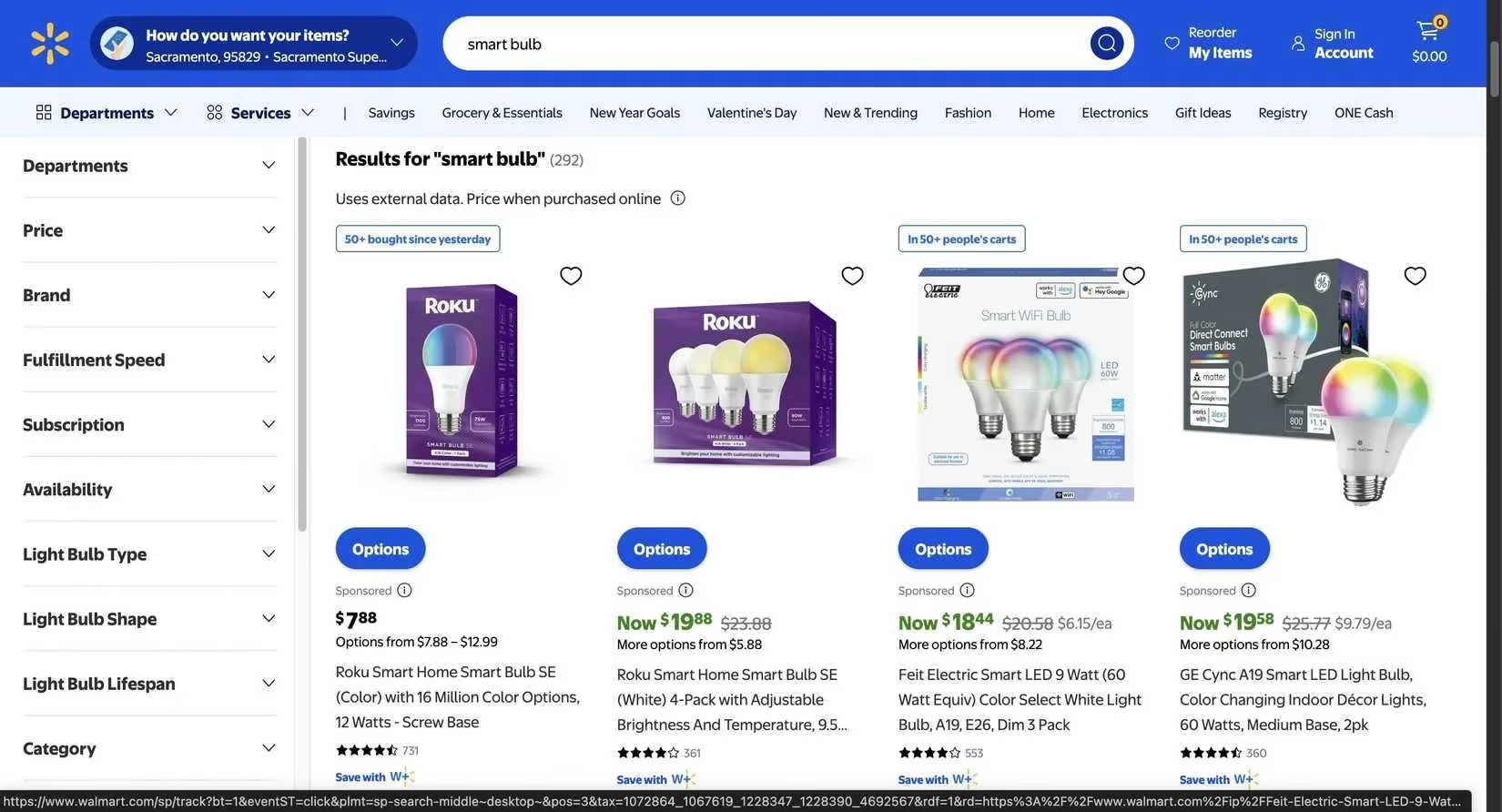
So, while saving money upfront feels good, those cheap bulbs might set the stage for a far costlier compromise of your home network. Security should top your list of features when shopping for a smart bulb—or any smart device. How do you strike a balance? First, always check for certifications from recognized bodies like the Wi-Fi Alliance or Zigbee Alliance. These certifications ensure the device has gone through security testing and is more likely to receive timely updates. But those gold-standard badges aren't always visible on product packaging or listing pages.
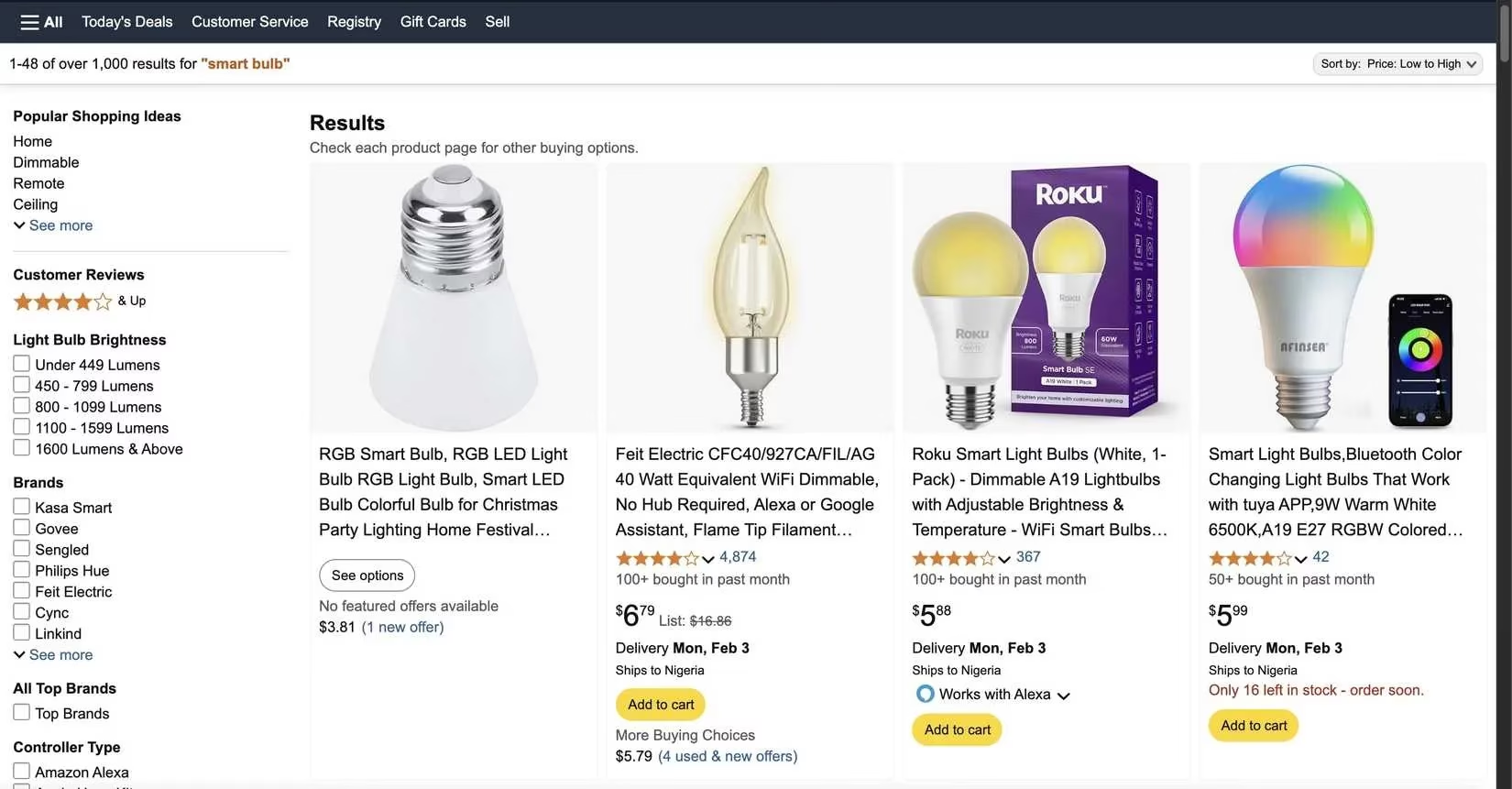
Instead, look for Alexa or Google Assistant compatibility. Both platforms are selective about which devices they integrate into their ecosystems. If a bulb is compatible with these systems, it suggests the device meets certain security protocols. Also, consider the long-term costs. Cheap bulbs might be enticing, but many lack the longevity and advanced features of mid-range options. The ability to adjust color temperature or create specific mood settings is often a luxury that doesn't come with the least expensive bulbs. If you're planning to install these lights throughout your home, the added functionality and durability of a mid-range option can save you money in the long run.
Ultimately, a smart bulb should feel like a helpful companion, not a silent intruder. The next time you reach for that $6 bargain, remember: a lightbulb can keep your secrets, or it can spill them. Choose wisely, because in 2026, with IoT attacks on the rise, a cheap bulb may be the most expensive mistake your home network ever makes.