
When My Favorite AI Chatbot Leaked: A Gamer's Take on DeepSeek's Security Scare
I still remember the thrill of discovering DeepSeek back in early 2025. As a professional gamer who spends hours grinding ranked matches and streaming, I'm always on the lookout for AI tools that can give me an edge—whether it's drafting strategies, generating smack talk, or just helping me unwind with some creative writing. DeepSeek was fast, free, and surprisingly sharp. But then came the news that made me pause mid-queue: a security firm had found one of DeepSeek's databases exposed on the open internet. Suddenly, my favorite chatbot felt a lot less like a secret weapon and more like a liability.
The story broke on January 29, 2025. Wiz Research, a New York-based security firm, stumbled upon a publicly accessible database belonging to DeepSeek—the Chinese AI chatbot that had taken the world by storm. According to their analysis, the database contained a trove of internal data: user chat history, backend data, log streams, API secrets, and operational details. Worse, the researchers gained full database control and could manipulate data, potentially escalating privileges within DeepSeek itself. In plain English? Anyone with the right know-how could have peeked at what users were asking, or worse, messed with the system from the inside.
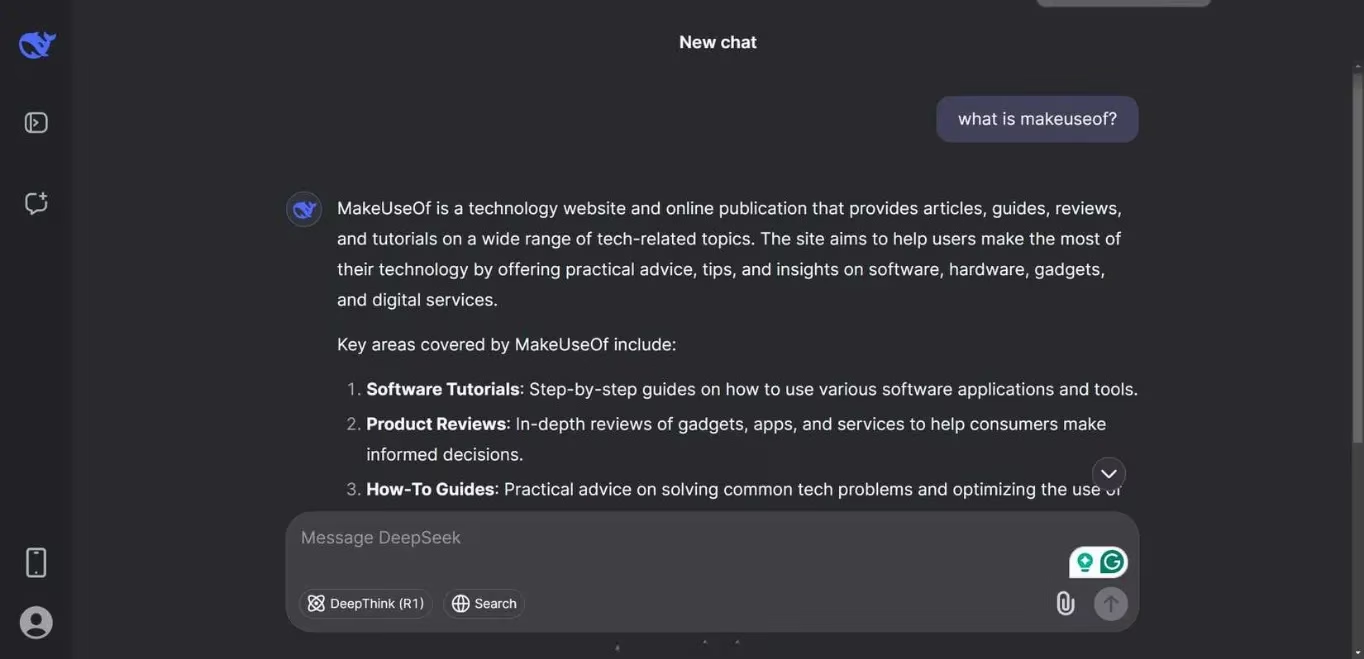
Now, before you panic-delete your chat history, here's the kicker: your personal data was likely just fine. DeepSeek patched the exposure rapidly, according to Reuters. But the incident raises a bigger question—one that every gamer who relies on AI tools should be asking: how safe are the platforms we invite into our digital lives? We obsess over anti-cheat software and two-factor authentication for our game accounts, yet we happily type our thoughts into AI chatbots without a second glance. Isn't that a bit backwards?
Let me put it in gaming terms. Imagine you're playing a competitive shooter, and you've got a teammate who's absolutely cracked—dropping 30 kills a game. But then you find out they've been playing with a compromised account the whole time. You'd be nervous, right? That's how I felt about DeepSeek after the Wiz Research report. The chatbot itself is fantastic—open-source, powerful, and a real challenger to ChatGPT and Claude. But the infrastructure behind it had a hole big enough to drive a truck through. And as the researchers pointed out, the immediate security risks for AI applications often come from basic stuff—like accidentally exposing a database—not some sci-fi future threat.
So, what's a gamer to do? I did some digging. Here's a quick breakdown of what went down and what it means for you:
| Aspect | What Happened | Gamer Translation |
|---|---|---|
| Exposure | Publicly accessible database with chat history, API secrets, logs | Like leaving your game server's admin panel open to the public |
| Response | DeepSeek fixed it rapidly | They patched the exploit fast—respect |
| Root Cause | Infrastructure misconfiguration, not a sophisticated hack | A noob mistake, not a pro-level heist |
| Impact on Users | No confirmed mass data leak, but risk was real | Your K/D ratio is safe... probably |
But let's not pretend DeepSeek is the only one with skeletons in the closet. ChatGPT, Claude, Gemini—they've all had their privacy question marks. The difference is that DeepSeek's rise was so meteoric that security may have lagged behind. The company also got hit with a wide-scale cyber-attack and temporarily suspended new accounts. And security researchers at Kela Cyber found they could force DeepSeek to create dangerous malware and phishing campaigns, exposing serious flaws in its guardrails. Yikes.
So where does that leave me? I still use DeepSeek. I'm a gamer—I'm used to weighing risk versus reward. The model is too good to abandon entirely, and the open-source nature means the community can help harden it over time. But I'm more careful now. I don't share personal secrets with any AI, I treat every chatbot like a random teammate in voice chat—friendly but not entirely trustworthy—and I keep an eye on security news. Because if there's one lesson from this saga, it's that the AI tools we love are only as strong as the infrastructure behind them. And sometimes, the most dangerous boss fight isn't in the game—it's in the code.
Would I recommend DeepSeek to a fellow gamer? Absolutely, with a caveat: play smart, stay informed, and never assume your data is invisible. After all, in both gaming and AI, the best defense is a good offense—and a healthy dose of paranoia.