
MoneyGram’s 2024 Breach Offer Expired, but the Identity Lessons Still Matter
When I pulled up the MoneyGram data-breach notice again in 2026, the first thing that hit me was not the size of the incident. It was the calendar. In September 2024, MoneyGram confirmed a data breach affecting more than 150 million users worldwide, and the company offered affected users up to two years of identity protection and credit monitoring. But the offer came with a hard enrollment deadline: January 31, 2025. In 2026, that window is long closed, and that is exactly why the episode is still worth revisiting.

The breach itself was serious. The attack took place between September 20 and 22, 2024, and caused a five-day outage at the service. A confidential source told Bleeping Computer that MoneyGram was breached through a social engineering attack, and that no ransomware was involved. The data exposed included names, email addresses, postal addresses, Social Security numbers, government IDs, and more. MoneyGram contacted affected users directly and recommended that they place a credit freeze on any linked accounts, which is standard procedure after a financial breach of this nature.
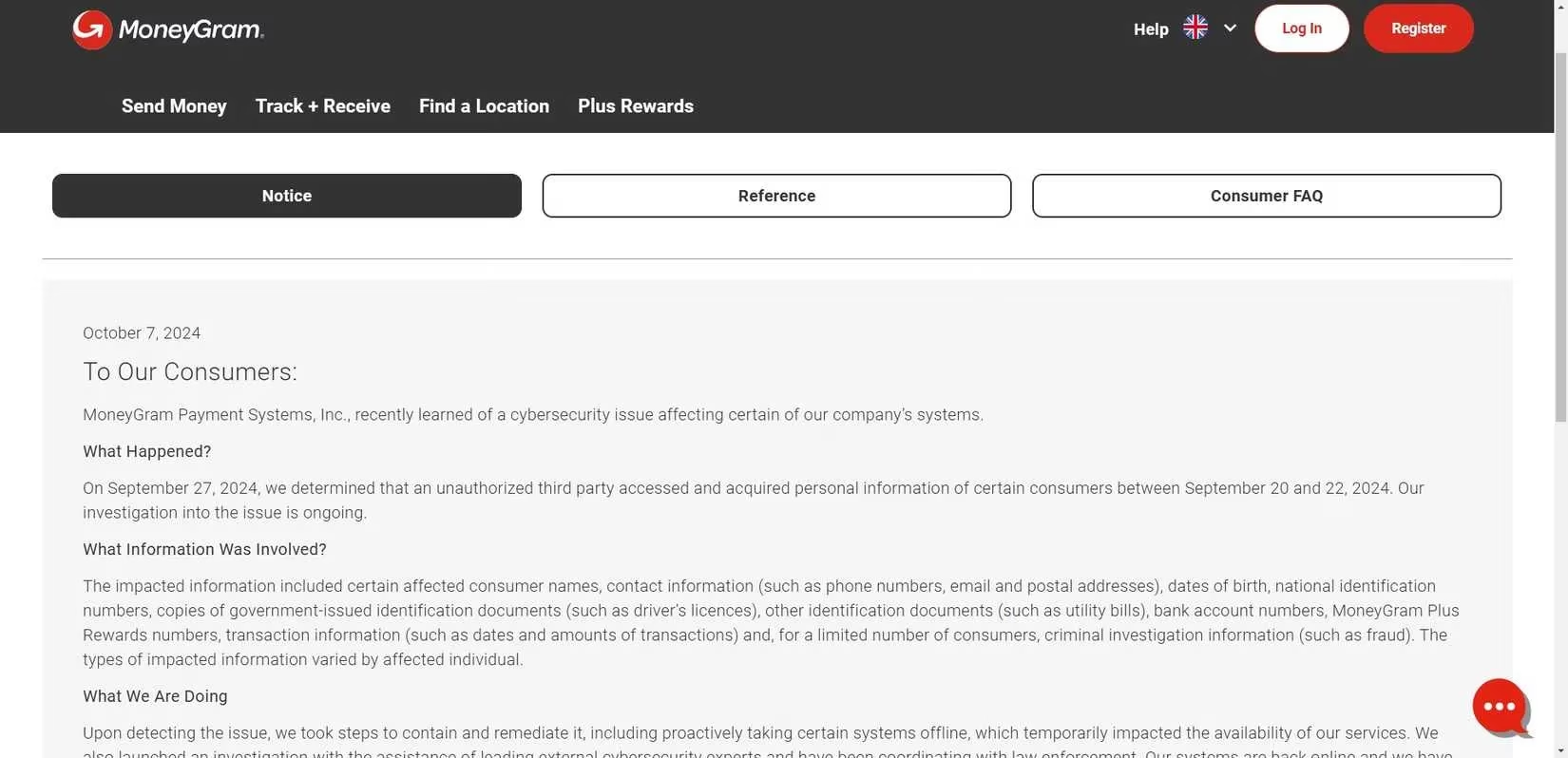
So why am I still thinking about this two years later? Because breach fatigue is real. We read the alert, we feel a brief spike of anxiety, and then we move on. The problem is that stolen identity data does not move on. It can sit in criminal databases, get traded, or be used months or years later for account takeover, tax fraud, or loan applications. The breach was fixed, but the exposure risk does not simply disappear when the service comes back online.
The Offer Was Real, but It Was Not Automatic
One of the most important details in the MoneyGram case is that the free identity protection was not switched on for everyone automatically. Affected users had to actively enroll by January 31, 2025, and the sign-up code was available through the MoneyGram Consumer Reference Guide. If someone assumed the protection would just appear, they may have missed it entirely.
| Detail | What I confirmed from the notice |
|---|---|
| Breach period | September 20–22, 2024 |
| Service impact | Five-day outage |
| Attack method | Social engineering, according to a confidential source; no ransomware reported |
| Data exposed | Names, email addresses, postal addresses, Social Security numbers, government IDs, and more |
| MoneyGram’s response | Direct user contact, credit-freeze recommendation, and up to two years of free credit tracking and analysis |
| Enrollment deadline | January 31, 2025 |
That last row is the one that matters most in 2026. If you were affected and you enrolled before the deadline, your coverage may still be active depending on when your enrollment was processed. If you did not enroll, the advertised free protection is no longer available through that offer. I would not assume otherwise.
What I Would Check Now
I would treat this as a personal-finance hygiene reminder rather than a historical footnote. Here is what I would do if I had been affected:
-
✅ Confirm whether I actually enrolled before January 31, 2025.
-
✅ Check my credit reports and look for unfamiliar accounts or hard inquiries.
-
✅ Review bank and credit card statements for small test charges or unusual activity.
-
✅ Consider a credit freeze if I have not already placed one.
-
✅ Watch for phishing messages that reference MoneyGram, the breach, or identity protection.
-
✅ Keep a written record of any breach-related correspondence and enrollment confirmation.
Would I panic? No. But would I ignore it? Also no. Identity protection services are a safety net, not a cure. The most reliable defense is still active monitoring, strong authentication, and a healthy suspicion of unexpected messages.
The MoneyGram breach is a useful case study because it shows how a major incident can fade from the news while its consequences remain personal. In 2026, the headline is old, but the lesson is not: read the deadline, enroll if you are eligible, and do not wait for a second warning.